JKN Logistics Inc.
Blog
Drayage Services in Vancouver, BC: How to Reduce Container Delays and Extra Costs
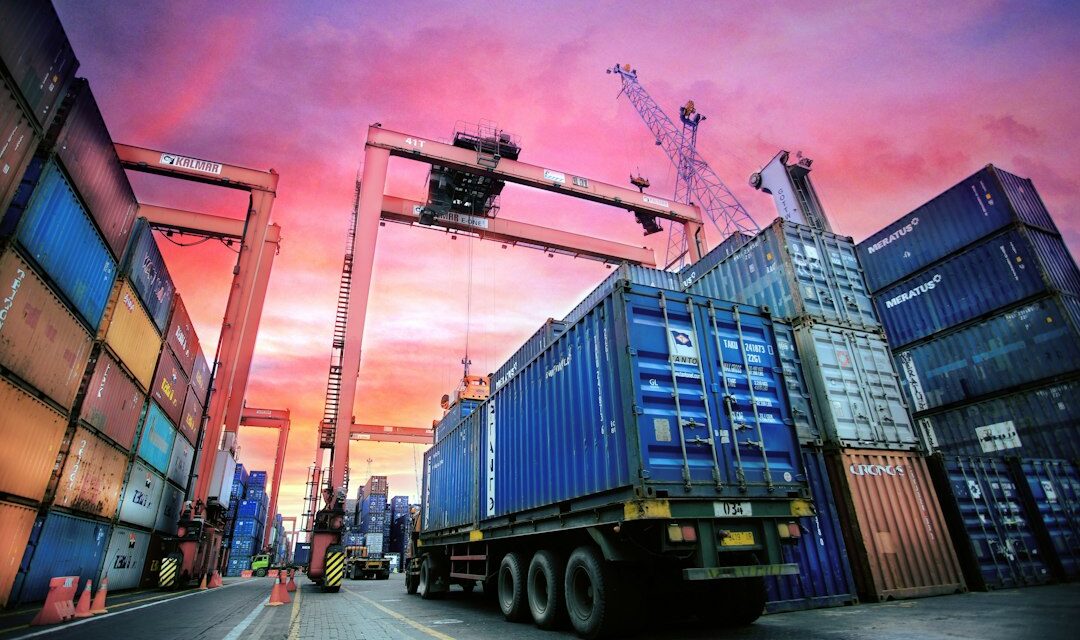
For businesses importing goods through the Port of Vancouver, the journey does not end when a vessel arrives. A container still needs to clear the necessary release steps, be collected from the terminal and reach its next destination. That short road movement is called drayage, and poor coordination can quickly create extra costs.
Whether your freight is headed to a warehouse in Richmond, a distribution facility in Surrey or a consignee elsewhere in Metro Vancouver, this guide explains what to check when arranging drayage services in Vancouver, BC.
For answers to common questions about quotes, customs releases and container returns, see our Vancouver drayage FAQ.
What is container drayage in Vancouver?
Drayage is the short-distance movement of shipping containers, commonly between a marine terminal, rail facility, warehouse or distribution centre. It is a critical link between ocean freight and inland transportation. Unlike long-haul trucking, drayage work is closely tied to terminal access, equipment availability, container release and appointment requirements.
Why containers get delayed after vessel arrival
A vessel arrival notice does not always mean a container is ready for pickup. Customs and shipping-line releases, terminal availability, appointment slots and trucking capacity may still need to align. Warehouses must also be ready to receive and unload the shipment. Any gap between those steps can extend the container’s time at the terminal.
Six practical ways to plan a smoother container pickup
1. Confirm release status before dispatch
Check customs release, carrier release and any applicable holds. Your freight forwarder, customs broker and drayage coordinator should agree on who is responsible for each confirmation.
2. Track last free day and equipment deadlines
Know the terminal’s applicable free-time rules and the carrier’s empty-container return requirements. Demurrage, detention and other charges have different triggers; verify the terms that apply to your shipment rather than assuming a universal allowance.
3. Share accurate container details
Provide the container number, terminal, shipping line, weight, delivery address, receiving hours and any special handling requirements. Incomplete instructions can cause avoidable back-and-forth.
4. Book receiving capacity early
A pickup is only useful when the destination can accept the container. Confirm unloading appointments, dock access, labour availability and whether the site can accommodate the container and truck configuration.
5. Plan the empty return
After unloading, arrange the empty return within the applicable deadline and confirm the approved return location. Empty return instructions may change, so the latest carrier guidance matters.
6. Keep one clear communication chain
When brokers, carriers, warehouses and importers use different updates, small issues become larger delays. Agree on the person responsible for escalation and shipment status updates.
Drayage planning across Vancouver, Delta, Richmond and Surrey
Port-related freight often moves between marine terminals and industrial areas across Metro Vancouver. Delivery feasibility depends on terminal appointment availability, traffic, site access and receiving hours, not just driving distance. Ask your logistics provider how those constraints are incorporated into scheduling.
What affects Vancouver drayage pricing?
Costs can vary with origin terminal, delivery distance, container size and weight, waiting time, chassis or equipment needs, after-hours work and empty-return requirements. Request a quote that distinguishes the base transport rate from potential accessorial charges.
Questions to ask a drayage provider
- Who monitors terminal availability and container release?
- How are appointments and delivery windows coordinated?
- Which accessorial charges could apply?
- How are delays and exceptions communicated?
- Who arranges the empty return?
Connect drayage with warehousing and distribution
Importers benefit from planning container collection together with receiving, storage and onward delivery. For inventory planning, read our Vancouver warehousing guide. For rail-to-road coordination, see our intermodal transportation checklist.
Discuss your container transport needs with JKN Logistics Inc.
JKN Logistics Inc. works with businesses evaluating freight and logistics requirements. Share your container details, terminal, destination and expected timing to discuss the appropriate coordination and transport options. Contact JKN Logistics Inc. to get started.
Frequently asked questions
Is drayage the same as long-haul trucking?
No. Drayage typically covers short container movements between ports, rail terminals and nearby facilities, while long-haul trucking moves freight over longer distances.
What causes demurrage or detention charges?
They generally relate to exceeding applicable terminal storage or carrier equipment free-time allowances. The exact rules depend on the terminal, carrier and contract.
When should I arrange container pickup?
Begin coordination before expected availability, but confirm releases, appointment requirements and destination readiness before final dispatch.