JKN Logistics Inc.
Blog
Intermodal Transportation in Vancouver, BC: Coordinating Rail, Truck and Port Freight
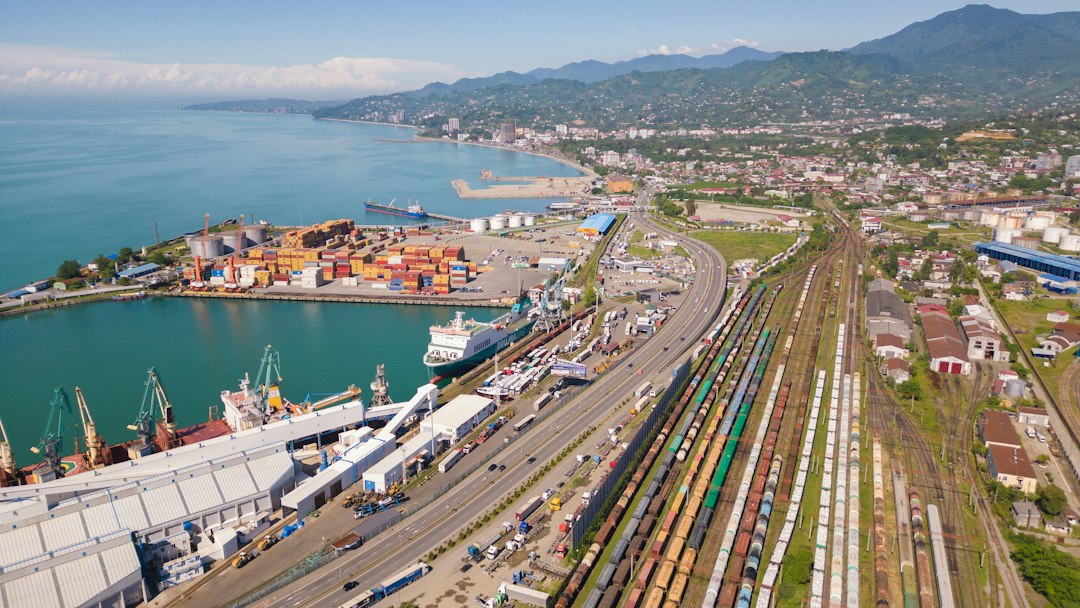
Moving freight through British Columbia often involves more than one transportation mode. A container may arrive by ship, transfer to rail for an inland journey and finish by truck at a warehouse or customer facility. Coordinating those movements is the purpose of intermodal transportation in Vancouver, BC.
For importers, exporters and distributors, the advantage is not simply using rail and road together. It is having a clear plan for every handoff, so freight is visible and the receiving team knows when to expect it.
For answers about Canadian intermodal pricing, rail transit and tracking, read our intermodal transportation FAQ.
What is intermodal transportation?
Intermodal transportation moves cargo using two or more modes, typically in the same container, without unloading the goods at every transfer. A shipment might move by ocean vessel, rail and truck. Each leg has its own schedules, documents, equipment requirements and operating constraints.
How Vancouver connects ocean, rail and road freight
Vancouver is an important gateway for containerized freight moving between international shipping networks and inland Canadian markets. Depending on the routing, containers can transfer between port facilities, rail terminals and truck carriers. The exact process varies by terminal, carrier, commodity and destination.
Five handoffs that deserve close attention
1. Arrival and release information
Track the shipment reference, container number, arrival notice and release requirements. Clarify who is responsible for customs and carrier documentation so a handoff does not stall while parties wait for information.
2. Terminal and rail availability
Scheduled arrival is not the same as confirmed availability. Rail ramp cut-offs, terminal appointments and local capacity can influence when a container can actually move.
3. Container and equipment compatibility
Confirm container dimensions, weight, cargo characteristics and any special equipment needs. Incorrect specifications can lead to rejected appointments or additional handling.
4. Final-mile trucking arrangements
Coordinate delivery appointments, site access and unloading capability with the truck movement. The final mile may be short, but it is often where missed appointments become visible to the customer.
5. Empty-container return and closeout
Confirm where and when equipment must be returned, what proof of delivery is required and how shipment exceptions are recorded. Clear closeout prevents uncertainty after the cargo has arrived.
When does intermodal shipping make sense?
Intermodal options may suit businesses moving containerized freight over longer corridors or balancing service requirements with available transport capacity. Compare total transit time, handling points, reliability, shipment frequency and total landed costs. Rail is not automatically the best fit for every shipment, especially where strict delivery windows or specialized handling apply.
Common planning mistakes to avoid
- Assuming estimated arrival means immediate pickup availability
- Leaving delivery appointments until the final leg
- Using inconsistent container and shipment references across providers
- Overlooking free-time, storage and equipment return deadlines
- Failing to define who communicates disruptions to the customer
How intermodal and drayage services work together
Drayage provides the short-distance container movements that connect ports, rail ramps and warehouses. For an overview of pickup planning, see our Vancouver drayage checklist. If your shipment requires temporary storage or distribution, our Vancouver warehousing article covers receiving and inventory considerations.
Plan your Vancouver freight movement with JKN Logistics Inc.
Successful intermodal coordination begins with accurate shipment details and clear responsibilities. Share your origin, destination, container specifications, expected volume and required delivery window with JKN Logistics Inc. to discuss freight coordination options. Contact our team for a tailored conversation.
Frequently asked questions
What is the difference between intermodal and multimodal transportation?
Both involve more than one mode of transport. In common industry usage, intermodal often emphasizes separate carrier or leg arrangements and keeping cargo in the same loading unit, while multimodal may refer to movement under one transport contract. Contract structures vary.
Does intermodal transportation always use rail?
No. It can combine different modes, though rail and truck are common for inland container movements connected to ocean shipping.
What information helps plan an intermodal shipment?
Provide origin and destination, container type, cargo weight, shipping references, timing requirements and delivery-site constraints.