JKN Logistics Inc.
Blog
Vancouver Warehousing in 2026: Planning Flexible Storage for Seasonal Inventory
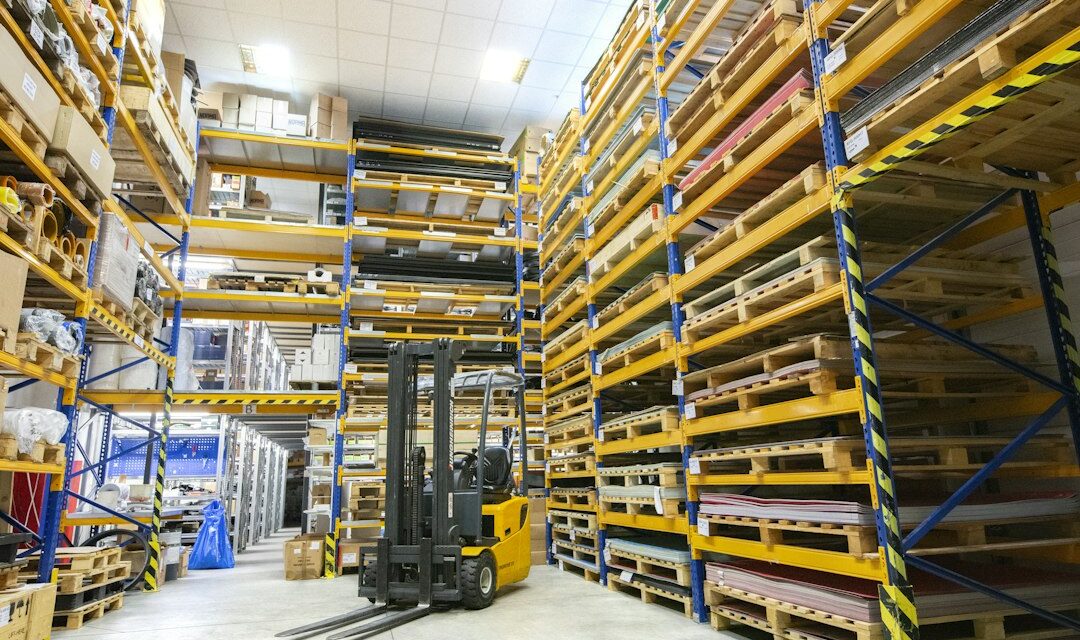
Seasonal demand rarely arrives in neat, predictable batches. A distributor may receive several containers before its busiest sales period, while a wholesaler might need temporary space because customers have delayed their deliveries. For businesses comparing Vancouver warehousing options, the challenge is finding storage that matches how inventory actually moves.
This guide explains how to plan flexible warehouse capacity in Vancouver and Surrey, what to include in a storage quote and how to connect receiving with outbound distribution.
Why flexible warehousing matters in Vancouver in 2026
Metro Vancouver’s industrial property market changes over time, and suitable warehouse space is not always available on the terms a business needs. Importers and distributors should think beyond the amount of floor space required today. Seasonal peaks, container arrival schedules, inventory turnover and customer delivery commitments all affect the right storage arrangement.
Flexible warehousing does not necessarily mean the shortest contract. It means agreeing on capacity, handling services and operating procedures that fit your actual freight.
Five situations where Vancouver businesses need overflow storage
1. Seasonal inventory arrives before demand
Retail and wholesale goods often reach the warehouse weeks before customers need them. Temporary storage can help businesses avoid overloading their existing facilities.
2. Multiple import containers arrive close together
When shipments are consolidated into a short arrival period, warehouse receiving capacity becomes just as important as the available storage space.
3. Customer delivery schedules change
Delays at the receiving end may mean goods need to be held longer than planned. Confirm how storage periods and charges are calculated.
4. A business expands into new markets
A company serving customers in British Columbia or other Canadian provinces may need a temporary distribution point before committing to a permanent facility.
5. Products need sorting before distribution
Mixed containers may require unloading, palletizing, labeling or separating goods by destination before outbound shipping.
Choosing a Vancouver warehousing arrangement
Start with a realistic estimate of pallet count, dimensions, weight and storage duration. Then ask about receiving appointments, handling equipment, access to inventory information and outbound shipping arrangements. A facility that offers low storage rates but cannot accommodate your receiving schedule may not be the most practical option.
For businesses receiving ocean freight, the location should be considered alongside port drayage and onward delivery routes. Surrey and other Lower Mainland locations may be suitable depending on the shipment’s origin and destination.
Short-term storage, 3PL or cross-docking?
Short-term storage suits freight that must be held for a defined period. 3PL warehousing can include receiving, inventory handling, order preparation and distribution coordination. Cross-docking is worth considering when goods can move toward outbound transportation without a lengthy storage period.
These services solve different problems. A distributor with unpredictable sales may need storage and order preparation, while freight already assigned to customers may be better suited to cross-docking.
See our 3PL warehousing guide and cross-docking overview.
What affects warehouse storage costs in Vancouver?
Ask whether storage is charged per pallet, per square foot, by occupied space or through another agreed method. Receiving, unloading, forklift handling, labeling, inventory movements and outbound loading may be billed separately. Minimum commitments and special handling requirements can also affect the total.
For imported containers, drayage and unloading need to be included in the wider cost comparison. Request a written breakdown rather than comparing storage rates alone.
Warehouse receiving checklist for seasonal inventory
- Confirm expected shipment dates and arrival frequency.
- Provide accurate pallet, package and cargo details.
- Agree on receiving hours and unloading arrangements.
- Identify any goods requiring special handling.
- Set priorities for storage, sorting and outbound orders.
- Confirm how inventory discrepancies will be reported.
- Review storage duration and expected release dates regularly.
Connecting warehousing with Vancouver container drayage
Imported inventory often travels from a marine or rail terminal to a warehouse before reaching customers. Container pickup, receiving appointments, unloading and empty returns should be planned together. Misaligned schedules can create unnecessary waiting and added costs.
Read our Vancouver container drayage guide and warehouse receiving checklist for more detail.
Questions to ask a Vancouver warehouse provider
- What storage capacity is available for my product and timeframe?
- Can the facility receive floor-loaded or palletized containers?
- How are receiving, storage and handling charged?
- Can inventory be sorted, labeled or prepared for delivery?
- How will stock levels and discrepancies be communicated?
- What notice is required before outbound pickup?
Frequently asked questions
Is short-term warehousing available in Vancouver?
Some providers offer temporary storage, subject to available capacity, cargo suitability and commercial terms. Confirm the minimum storage period before booking.
Can a warehouse in Surrey serve Vancouver importers?
Yes. Surrey is part of the Lower Mainland freight network. The right location depends on terminal access, delivery routes and receiving requirements.
What is the difference between overflow storage and 3PL?
Overflow storage mainly provides extra capacity. A 3PL arrangement may include additional services such as receiving, inventory handling, order preparation and distribution.
How should I estimate warehouse space?
Start with pallet count, product dimensions, stacking limitations and expected inventory turnover. A provider can help assess the handling and space requirements.
Can warehousing be combined with container transportation?
Warehouse receiving can be coordinated with drayage and other transportation arrangements when the relevant services are available.
Plan your Vancouver warehousing requirements with JKN Logistics Inc.
JKN Logistics Inc., based in Surrey, British Columbia, supports businesses with warehousing and connected freight services in the Vancouver region. If you need temporary storage, container unloading or distribution coordination, provide your cargo details, expected volumes and timeline to discuss the available options.
Contact JKN Logistics Inc. to request a warehousing quotation.