JKN Logistics Inc.
Blog
Vancouver Warehousing: A Practical Receiving Checklist for Importers and Distributors
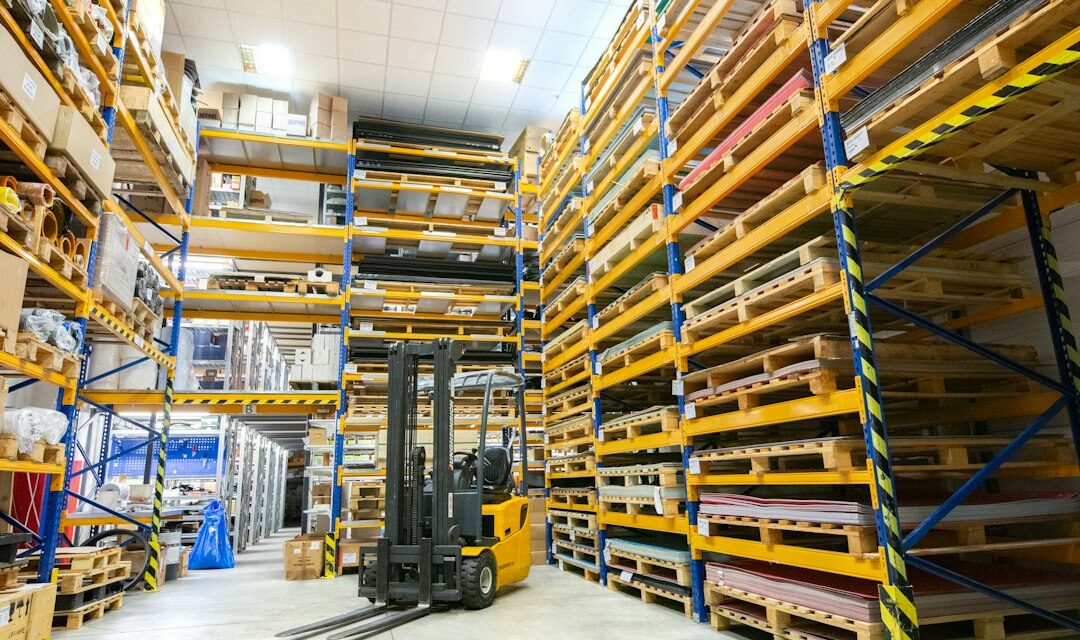
A shipment can arrive in Metro Vancouver on time and still miss its next delivery if the warehouse is not ready to receive it. For importers and distributors, Vancouver warehousing is not just about finding space for pallets. It is about making sure the right goods arrive, are handled correctly and can move out again when customers need them.
This practical guide looks at the receiving side of warehouse operations: what to prepare before a container or truck arrives, how to avoid common handoff problems and what to discuss with your logistics partner.
Why warehouse receiving deserves more attention
Most businesses plan their purchase orders and transportation carefully. Warehouse receiving can get less attention until a truck is already at the gate. A missing appointment, unclear cargo count or unsuitable unloading equipment can affect the entire delivery schedule.
For freight arriving through Vancouver-area ports or rail terminals, the receiving plan also needs to fit container pickup times, delivery windows and empty-container return arrangements. A little preparation can prevent a great deal of back-and-forth.
Vancouver warehousing checklist: before freight arrives
1. Confirm the cargo details
Send a clear packing list and explain how the freight is loaded. Include pallet count, dimensions, gross weight, product description and any special handling instructions. Floor-loaded containers require different planning from palletized freight.
2. Agree on the receiving appointment
Confirm the warehouse address, receiving hours, appointment requirements and contact person. If a carrier is delivering the shipment, make sure the driver has the correct information before dispatch.
3. Check unloading requirements
Does the shipment require a forklift, dock access, manual unloading or other equipment? Ask whether the receiving facility can handle the cargo as packed. Unusual dimensions and heavy pieces should be discussed in advance.
4. Decide what happens after unloading
Some goods go straight into storage. Others need sorting, labeling, palletizing, cross-docking or immediate outbound transportation. Make that decision before arrival so the warehouse can plan the work.
5. Plan the outbound movement
If inventory is needed by customers in Surrey, Vancouver or other Canadian markets, establish delivery priorities early. A warehouse is most useful when the storage plan supports the next shipment, not just the current arrival.
Warehouse storage or cross-docking: which makes sense?
Storage is useful when stock needs to be held until orders are ready or inventory levels need to be maintained. Cross-docking may work better when freight is already assigned to an outbound destination and can be transferred with limited time in storage.
For example, a distributor receiving mixed products from overseas may need temporary warehouse space to separate customer orders. A business receiving goods that are already sorted by destination might prefer a faster transfer process. Neither approach is automatically better; it depends on the freight and the delivery schedule.
Learn more about cross-docking services and transloading versus direct container delivery.
How Vancouver port drayage connects with warehousing
When a shipping container arrives at a Vancouver-area marine terminal, the warehouse and trucking provider need to work from the same plan. The container must be available for pickup, a suitable truck must be arranged and the warehouse must be ready to receive it.
Delays can lead to extra waiting, storage or equipment-related costs, depending on the shipment and applicable terms. Confirming pickup readiness, delivery appointments and empty-return instructions helps reduce avoidable problems.
Our Vancouver container drayage guide explains how port-to-warehouse transportation works.
Why Surrey can be a practical choice for Vancouver warehousing
Businesses searching for Vancouver warehousing often consider facilities across the Lower Mainland, including Surrey. The right location depends on where freight arrives, how it moves through the region and where customers need deliveries.
A warehouse close to the final distribution route may be more useful than one selected only because it has a Vancouver mailing address. Compare transport connections, receiving capacity, operating hours and total handling costs.
What should a warehouse receiving report include?
Clear receiving records help businesses understand what arrived and what still needs attention. Depending on the service arrangement, useful details may include:
- Date and time of receipt
- Shipment or container reference
- Number of pallets or packages received
- Visible damage or packaging concerns
- Discrepancies between documents and received goods
- Next steps for storage, sorting or dispatch
Ask your warehouse partner how exceptions are reported and who should be contacted when a shipment does not match the paperwork.
How to plan warehousing costs in Vancouver
Storage is only one part of the cost. Depending on your freight, you may also pay for receiving, unloading, forklift movements, pallet handling, labeling, order preparation or outbound loading. Imported containers may require separate drayage arrangements.
When requesting a quote, describe the complete journey of your freight. Ask about minimum charges, storage billing periods, handling fees and any services that are not included. This makes proposals easier to compare.
Working with JKN Logistics Inc.
JKN Logistics Inc., based in Surrey, British Columbia, works with businesses that need warehousing and connected freight services in the Vancouver region. For importers, wholesalers and distributors, coordinating warehouse receiving with drayage, transloading and transportation can make the flow of goods easier to manage.
If you are comparing storage and distribution options, read our Vancouver warehousing services guide and 3PL warehousing guide for a closer look at available service models.
Frequently asked questions about Vancouver warehousing
What information should I send before a warehouse delivery?
Provide the product description, shipment reference, pallet or package count, dimensions, weight, expected arrival date and any unloading requirements. Confirm the receiving appointment and contact details.
Can a Vancouver-area warehouse receive ocean containers?
Some facilities can receive and unload containerized freight. Confirm dock access, equipment, cargo suitability and appointment availability before arranging delivery.
Is Surrey suitable for Vancouver warehousing and distribution?
Surrey may be a practical location for businesses serving the Lower Mainland or connecting freight with wider Canadian distribution routes. Suitability depends on the exact facility and your transport needs.
How is cross-docking different from regular storage?
Cross-docking generally moves suitable goods from inbound receiving toward outbound transportation with little storage time. Regular warehousing holds inventory until it is needed.
How do I request an accurate warehousing quote?
Share your cargo type, pallet count, expected storage period, receiving frequency, handling needs and outbound destinations. Ask for a breakdown of storage and handling charges.
Plan your next warehouse delivery with JKN Logistics Inc.
Good warehouse planning starts before the freight arrives. If your business needs Vancouver warehousing, container receiving or connected transportation support, JKN Logistics Inc. can review your requirements and discuss the next steps.
Contact JKN Logistics Inc. to discuss your warehousing requirements and request a quote.