JKN Logistics Inc.
Blog
Intermodal Transportation Vancouver: Rail-to-Truck Delivery Checklist for 2026
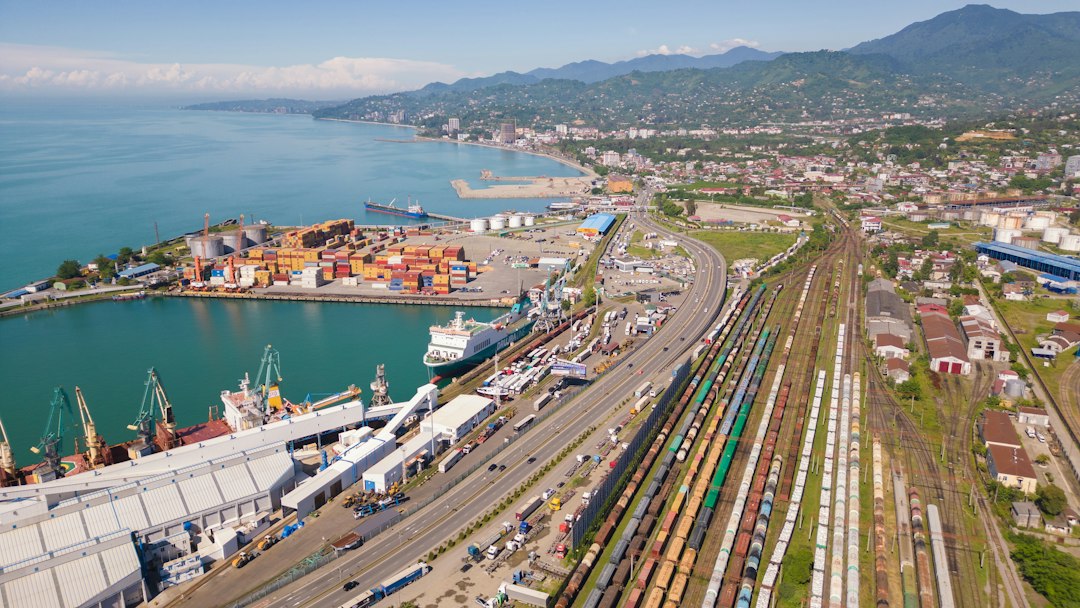
A container moving from Vancouver to an inland Canadian market may travel by ship, rail and truck before it reaches its destination. The journey can work well when every handoff is planned. Problems arise when the rail arrival changes, a terminal pickup is missed or the receiving warehouse is not ready. For businesses using intermodal transportation in Vancouver, the practical question is how to keep those connections working.
This guide focuses on the final stages of an intermodal shipment, from rail terminal arrival to truck delivery. It explains what importers and distributors should confirm, which costs to ask about and how to avoid common scheduling mistakes.
Why rail-to-truck coordination matters in Vancouver
Intermodal transportation uses more than one mode of transport, typically ocean shipping, rail and trucking, while keeping freight in the same container or intermodal unit. Rail can carry suitable containers over long distances, but a truck is often needed to complete delivery to a warehouse or distribution centre.
In the Vancouver region, rail and road networks connect marine terminals, inland facilities and customers across the Lower Mainland. The right plan depends on the shipment’s route, terminal, container type, receiving location and delivery deadline.
What happens after an intermodal container reaches a rail terminal?
1. Confirm arrival and release
Check the container reference, terminal location, arrival status and applicable release requirements. A train’s arrival does not always mean the container is immediately available for collection.
2. Arrange the local container movement
Coordinate trucking according to terminal procedures, equipment availability and the delivery appointment. Share accurate container and cargo details with the carrier.
3. Confirm the receiving facility is prepared
The warehouse needs the correct delivery information, receiving window and unloading plan. Floor-loaded cargo may require more time and labour than palletized goods.
4. Complete delivery and unloading
Record delivery status, identify visible cargo or packaging concerns and confirm what happens next. Freight may enter storage, be sorted for orders or move directly into distribution.
5. Manage the equipment return
Where an empty container must be returned, confirm the equipment provider’s instructions, location and applicable timing requirements.
Intermodal rail or all-truck freight: which is the better option?
Rail can be practical for suitable longer-distance container movements, while trucking may offer a more direct option for shorter routes or shipments with specific delivery requirements. Neither mode is automatically cheaper or faster.
Compare the full movement, including rail charges, terminal handling, local drayage, transit time, equipment arrangements and delivery requirements. A lower line-haul rate may not represent the lowest total shipment cost.
Five questions to ask before booking intermodal freight
- Where will the container be available? Confirm the exact rail or marine terminal and pickup procedures.
- Who is responsible for each handoff? Identify the parties coordinating release, pickup, delivery and equipment return.
- How will schedule changes be communicated? Agree on the contact person and shipment update process.
- What handling is required at destination? Confirm warehouse access, unloading method and receiving hours.
- Which charges may apply? Ask about terminal fees, local drayage, waiting time, equipment terms and other accessorial costs.
How intermodal transportation connects with Vancouver drayage
Drayage handles short-distance container movements between terminals and receiving locations. In an intermodal shipment, it is often the connection between the rail network and the customer’s warehouse.
When planning a move, read our Vancouver drayage pickup checklist for terminal release and delivery planning. For a broader overview of rail, road and port connections, see our intermodal transportation services guide.
Warehousing and cross-docking after rail delivery
Not every shipment needs long-term storage. Some containers carry goods that must be unloaded, sorted and transferred to outbound trucks. Others contain inventory that needs to be stored until customer orders are ready.
Cross-docking may suit goods already assigned to outbound destinations, while warehouse storage may be better for seasonal inventory or unpredictable demand. Explore our Vancouver warehousing planning guide for related considerations.
What information helps with an intermodal transportation quote?
- Origin and final destination
- Container size, type and cargo weight
- Commodity and special handling requirements
- Expected availability and required delivery dates
- Rail or marine terminal information, if known
- Receiving hours and unloading requirements
- Any storage, cross-docking or distribution needs
Frequently asked questions about intermodal transportation
What is intermodal transportation in Vancouver?
It is the movement of containerized freight using two or more transportation modes, such as ocean shipping, rail and truck, with Vancouver-area terminals and roads connecting different stages of the journey.
Does intermodal freight always travel by rail?
No. Intermodal transportation means using multiple modes. Rail is common on long-distance container routes, but the combination depends on the shipment.
What is the difference between intermodal transportation and drayage?
Intermodal transportation describes the overall movement across transport modes. Drayage is typically a shorter local container movement connecting a terminal with a warehouse or other facility.
Can an intermodal container be delivered to a Surrey warehouse?
Yes, subject to terminal arrangements, trucking equipment, receiving capacity and the specific shipment requirements.
How can businesses reduce intermodal delivery delays?
Confirm release status, pickup procedures, receiving appointments and equipment return requirements early. Clear communication between the transport and warehouse teams is essential.
Discuss intermodal freight coordination with JKN Logistics Inc.
JKN Logistics Inc., based in Surrey, British Columbia, works with businesses planning freight movements, container transportation and connected warehouse handling in the Vancouver region. If your shipment requires coordination between terminals, trucks and receiving facilities, share your route, cargo details and delivery requirements with the team.
Contact JKN Logistics Inc. to discuss your intermodal transportation requirements.