JKN Logistics Inc.
Blog
Transloading vs. Direct Container Delivery: A Guide for Canadian Importers
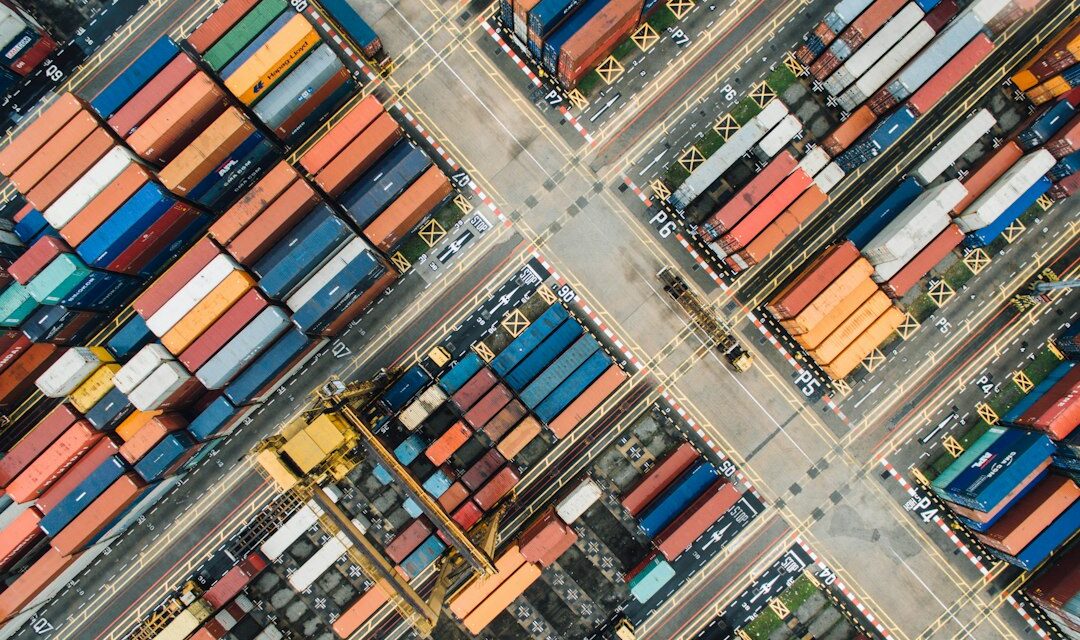
When a shipping container reaches a Canadian port, the next decision is how to move its contents efficiently to a warehouse, distribution centre or final destination. For importers, choosing between transloading and direct container delivery can affect handling costs, delivery schedules and warehouse capacity.
This guide explains the differences, when each option makes sense and what to discuss with your logistics provider before cargo arrives.
What is transloading in logistics?
Transloading means transferring freight from one transportation unit to another. In container logistics, cargo is commonly unloaded from an ocean container and transferred to a domestic trailer or another vehicle for onward delivery. Depending on the operation, freight may also be sorted, palletized, consolidated or temporarily stored.
For shipments arriving through Vancouver, transloading can help importers coordinate distribution beyond the port and adapt freight to domestic transportation requirements.
What is direct container delivery?
With direct container delivery, a drayage provider transports the loaded shipping container from the port or rail terminal to an approved receiving location. The cargo stays inside the container during the move. After unloading, the empty container must be returned according to the applicable equipment and terminal requirements.
Learn more about container drayage services in Vancouver and how they connect port operations with inland facilities.
Transloading vs. direct delivery: key differences
| Consideration | Transloading | Direct container delivery |
|---|---|---|
| Cargo handling | Freight is transferred between equipment | Freight generally remains in the original container until unloading |
| Distribution flexibility | Can support sorting, consolidation and onward trucking | Best suited to a receiving site prepared for container unloading |
| Facility needs | Requires a suitable transloading operation | Requires a site able to receive and unload the container |
| Planning factors | Handling, equipment, storage and onward transport | Drayage, unloading appointment and empty return |
When should an importer consider transloading?
1. Cargo needs to travel beyond the port region
Moving freight into domestic trailers may suit distribution plans that involve longer inland routes or multiple destinations. Compare the complete transportation and handling plan rather than one quoted leg.
2. Goods need sorting or consolidation
Importers serving multiple stores or customers may need products separated by destination before dispatch. A transloading facility can support that workflow when it has the right handling capabilities.
3. The receiving warehouse cannot accept containers
Some facilities have dock, equipment or appointment limitations. Transloading may offer an alternative, provided the freight can be handled safely and efficiently.
When is direct container delivery a better fit?
Direct delivery can be practical when the consignee can receive and unload the container promptly, the cargo has a single destination and additional handling would add little value. It is important to plan receiving appointments, unloading time and empty-container return requirements in advance.
Five questions to ask before choosing
- Where is the cargo ultimately going, and will it serve one location or several?
- Can the receiving facility accommodate the container and unload it within the required window?
- Will the shipment need palletizing, sorting, short-term storage or cross-docking?
- What are the applicable terminal, equipment, handling and transportation charges?
- Who is coordinating appointments, documentation and empty-container returns?
How JKN Logistics Inc. supports cargo movement
JKN Logistics Inc. works with businesses that need coordinated freight movement and storage solutions. Depending on shipment requirements, our services include drayage, warehousing and storage, third-party logistics support and over-the-road transportation. We help customers discuss the right combination of services for their cargo, destinations and delivery timelines.
Frequently asked questions
Is transloading the same as cross-docking?
Not exactly. Transloading refers to transferring freight between transportation units. Cross-docking typically focuses on moving incoming goods through a facility to outbound transport with limited storage. A shipment may involve both processes.
Does transloading always cost less than direct delivery?
No. The answer depends on cargo characteristics, handling needs, distance, equipment availability and delivery arrangements. Compare the total logistics cost for each option.
Can container cargo be stored before final delivery?
Storage may be possible depending on facility capacity, cargo type and service arrangements. Confirm requirements with the provider before the shipment arrives.
How early should I arrange drayage or transloading?
As early as practical. Advance coordination gives the parties more time to plan terminal pickup, receiving appointments, equipment and onward delivery.
Plan your next shipment
Not sure whether transloading or direct container delivery fits your supply chain? Contact JKN Logistics Inc. to discuss your shipment, including cargo details, destination and expected arrival schedule.