JKN Logistics Inc.
Blog
Cross-Docking Services | Speed Up Your Supply Chain
How Cross-Docking Can Speed Up Your Supply Chain
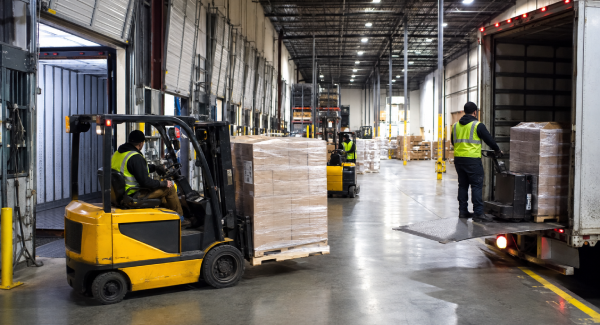
If your business is looking for ways to move product faster without adding storage costs, cross-docking is one of the most effective strategies available. It’s a simple concept with a big impact: instead of unloading goods into a warehouse for storage and picking them later, cross-docking moves freight directly from an inbound truck to an outbound truck, often within hours.
What Cross-Docking Actually Involves
At its core, cross-docking cuts out the storage step. A shipment arrives at a distribution center, gets sorted and consolidated with other orders, and is loaded straight onto outbound trailers headed to their next destination. There’s no long-term shelving, no picking from deep storage, and far less handling overall.
This works especially well for businesses moving high-volume, fast-turnover goods, retailers consolidating shipments from multiple suppliers, or companies that need to combine partial loads into full truckloads before the final leg of delivery.
Why It Matters for Your Bottom Line
Cutting out unnecessary storage time doesn’t just save space, it saves money and time across the entire supply chain.
- Lower storage costs: Product isn’t sitting in a warehouse racking up storage fees.
- Faster delivery times: Goods reach their destination quicker since they skip the storage and retrieval stages entirely.
- Reduced handling and damage risk: Fewer touches mean fewer chances for product to be damaged or lost.
- Better inventory flow: Businesses can respond faster to demand instead of waiting on stored inventory to be pulled.
Who Benefits Most From Cross-Docking
Cross-docking isn’t the right fit for every type of shipment, but it’s particularly valuable for:
- Retailers consolidating shipments from several suppliers into one delivery
- Perishable or time-sensitive goods that need to move quickly
- Businesses combining partial truckloads (LTL) into full truckloads (FTL) to cut transportation costs
- Companies managing seasonal demand spikes where speed matters more than storage
What to Look for in a Cross-Docking Partner
Not every distribution center is equipped to handle cross-docking well. A good partner should offer:
- A facility layout designed for fast inbound-to-outbound transfers
- Real-time coordination between receiving and outbound scheduling
- Experience handling both LTL and FTL freight
- Clear communication so nothing sits longer than it needs to
Cross-docking is one of the simplest ways to tighten up a supply chain without adding new infrastructure. By reducing the time freight spends sitting in storage, businesses can move product faster, cut costs, and keep customers happier with quicker delivery windows.
JKN Logistics offers cross-docking services designed to keep freight moving efficiently from receiving to final delivery, helping businesses cut down on storage costs and delivery time.